Why your AI answers feel generic, and the five-question brief that fixes it
You ask an AI to write a follow-up email, and you get something that could have been sent by any business in any industry. You try a different tool and get the same thing in different words. The natural conclusion is that AI is overhyped.
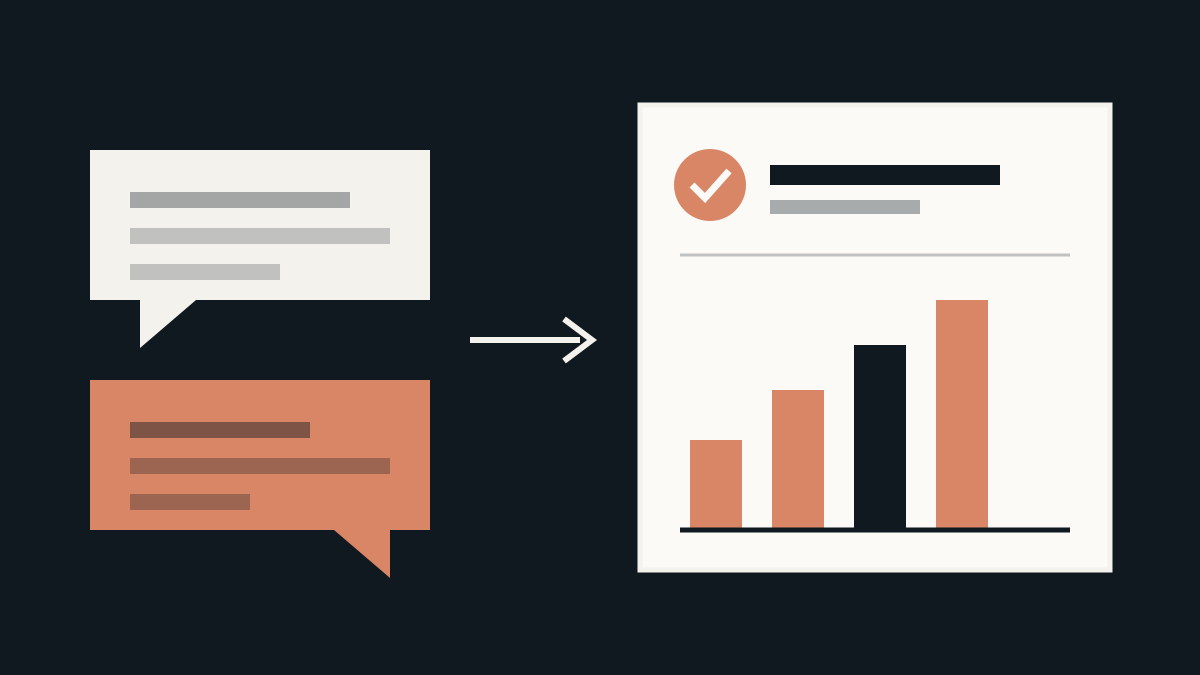
In my experience the tool is rarely the problem. The request is. A request tells the AI what to produce. A brief tells it the situation it is producing it for. Most disappointing output comes from the first being used where the second was needed.
Think of a doctor, not a vending machine
You do not walk into a clinic and say "give me antibiotics." The doctor asks what is going on, for how long, what you have already tried. The prescription comes after the questions. Typing a one-line request into an AI is the vending-machine version: you pressed a button, so you get the average item.
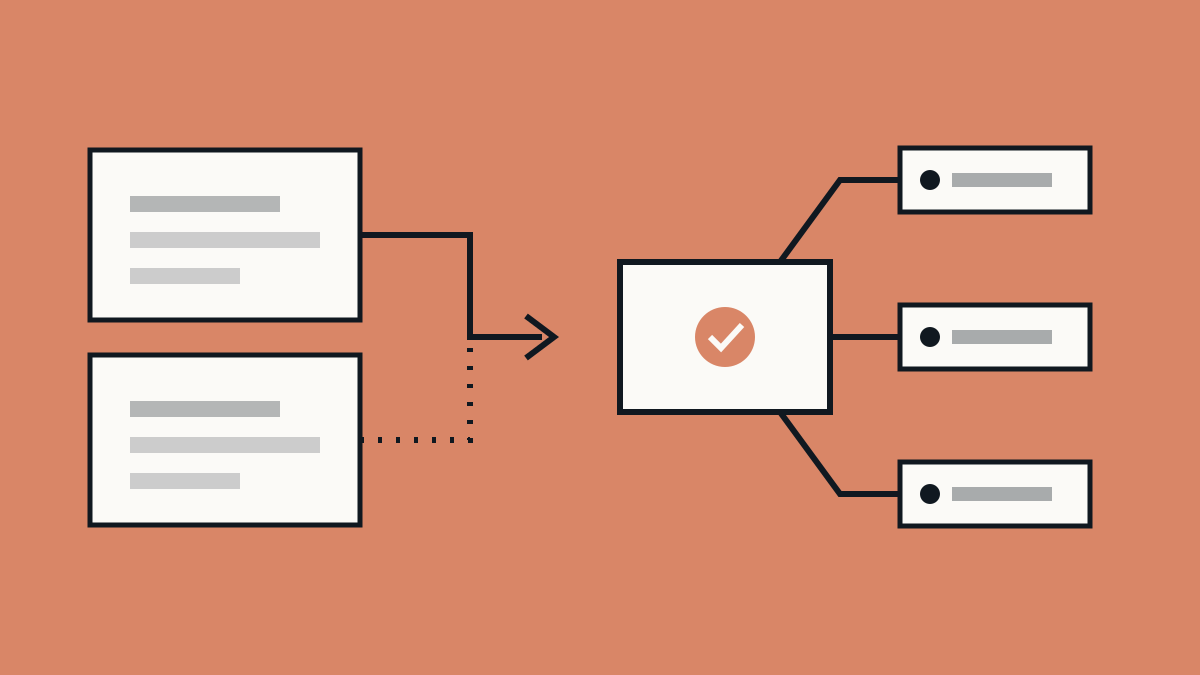
The fix is to do the doctor's part yourself. The current name for this is context engineering, which sounds technical but just means telling the AI what it needs to know before it starts.
The five-question brief
Answer these in a few plain sentences. You do not need special wording.
- What is the goal? The decision to make or the thing you want at the end.
- Who is it for? A customer, your accountant, your team, yourself.
- What is the background? What has happened already, what you have tried, the relevant numbers.
- What are the limits? Budget, deadline, tone, things you will not do or say.
- What does good look like? Length, format, or an example you like.
The same request, two ways
Here is a made-up example to show the difference. Imagine a three-person bookkeeping practice with some clients behind on payments.
The request: "Write an email to clients who have not paid."
The brief: "I run a three-person bookkeeping practice. Six clients are 30 or more days late on invoices between $400 and $1,800. Most are long-term and I want to keep them, but cash flow is tight. Write a short, warm but firm email I can adapt for each one. No threats, no legal language. Offer a payment plan if they reply this week."
The first gets you a polite template that sounds like nobody. The second gets you something you can send after a quick edit. Same tool, one extra minute of typing.
Add one line that saves you from bad assumptions
A good waiter repeats your order back before walking to the kitchen. It takes ten seconds and prevents a wrong plate. Ask your AI to do the same by ending the brief with:
Before you answer, tell me in three sentences what you think I am asking for and what you are assuming. Ask me anything that is unclear.
Wrong assumptions now surface in seconds, instead of being buried inside a long draft you then have to untangle.
Stop retyping the parts that never change
Some of the brief is the same every time: what your business does, who your customers are, how you like to sound, the phrases you never want to see. Most AI assistants have a place for standing instructions or preferences. Write that part once, and every conversation starts from your situation instead of from zero.
AI tools and their features change quickly, so check the current details before you rely on them.